
Responsible Gambling: Tips for Staying in Control
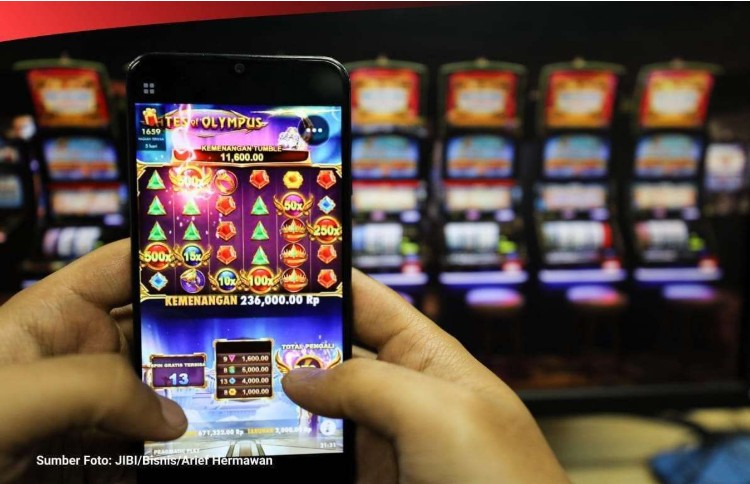
Gambling slot88 can be an enjoyable form of entertainment, but it carries inherent risks, especially in online environments where access is immediate and constant. Responsible gambling emphasizes managing time, money, and emotional investment to ensure that gaming remains safe and sustainable. Understanding key strategies can help players stay in control and avoid potential harm.
Understanding Responsible Gambling
Responsible gambling slot thailand means engaging in betting activities without letting them negatively impact your finances, relationships, or mental health. It recognizes that while gambling can be fun, it is not a reliable source of income and carries the potential for addictive behavior. Platforms and regulators promote responsible gambling practices to protect players and maintain fair play.
Set Financial Limits
One of the most important strategies for responsible gambling is controlling financial exposure:
- Establish a Budget: Decide in advance how much money you can afford to spend without affecting essential expenses.
- Separate Gambling Funds: Keep gambling money separate from household or personal finances to prevent overspending.
- Avoid Chasing Losses: Trying to recover losses often leads to larger debts and frustration. Accepting losses as part of the game helps maintain control.
Many online platforms allow users to set deposit limits or spending caps, which can serve as helpful reminders.
Manage Time Wisely
Time management is crucial for maintaining a healthy relationship with gambling:
- Set Session Limits: Decide how long you will play before starting a session.
- Take Breaks: Regular breaks prevent fatigue and impulsive decisions.
- Avoid Gambling During Stress or Fatigue: Emotional or physical exhaustion can impair judgment, increasing the likelihood of risky behavior.
Time limits also help balance gambling with other responsibilities, such as work, family, and social activities.
Recognize Emotional Triggers
Gambling is often linked to emotions. Recognizing triggers can prevent unhealthy habits:
- Stress and Anxiety: Some players gamble to relieve tension, but this may worsen emotional issues.
- Boredom or Loneliness: Gambling should not be used as a primary form of social interaction or entertainment.
- Excitement or Thrill-Seeking: The appeal of risk can drive extended play sessions, potentially leading to addiction.
Mindfulness and self-reflection can help players identify when they are gambling for the wrong reasons.
Use Platform Tools and Support Services
Many online gambling platforms provide tools to encourage responsible behavior:
- Self-Exclusion Options: Temporarily block access to your account to prevent impulsive gambling.
- Deposit and Loss Limits: Set maximum amounts for deposits or losses over a specific period.
- Reality Checks: Notifications that remind players how long they have been active on a platform.
Additionally, external support services, such as Gamblers Anonymous, counseling, and mental health resources, provide guidance for those struggling with gambling behavior.
Educate Yourself About the Risks
Knowledge is a powerful tool in maintaining responsible gambling habits:
- Understand odds and payout rates for different games.
- Recognize that all forms of gambling carry risk; there is no guaranteed way to win.
- Learn about the signs of gambling addiction, including increasing frequency, preoccupation, and borrowing money to gamble.
Being informed allows players to make conscious choices rather than rely on hope or intuition.
Conclusion
Responsible gambling is about balance, awareness, and self-regulation. By setting financial and time limits, recognizing emotional triggers, using available tools, and seeking help when needed, players can enjoy gambling as a form of entertainment without compromising their well-being. Promoting responsible practices ensures a safer and more enjoyable experience for everyone involved.